Smart Glasses in the Witness Box: a cautionary tale from UAB Business Enterprise and Anor v Oneta Limited and Ors [2026] EWHC 543 (Ch) - Michael Brooks Reid, Temple Garden Chambers
26/03/26.The case concerned a dispute over ownership of a small English property company. The Claimants (“Cs”) sought a declaration that they were the true owners; the Defendants (“Ds”) asserted ownership based on various agreements, including one said to have been signed by the Second Claimant, Mr Jakstys (“C2”), at a meeting in rural Lithuania in May 2022. The case turned substantially on findings of fact, the parties’ positions noted to have been diametrically opposed and with “a distinct lack of contemporaneous documentation”. In those circumstances, oral evidence was always going to be a key factor, but few could have predicted the events that would unfold in the witness box.
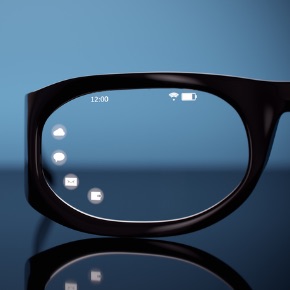
Smart Glasses
Shortly after C2 began his cross-examination on the first day of trial, counsel for Ds informed the Court that she could hear an interference emanating from around the witness. The interpreter, seated alongside him, confirmed the same. C2 had been wearing smart glasses, and after he was directed to remove them, his mobile phone (still in his inner jacket pocket) began broadcasting a voice audibly in court. The Judge ordered both devices to be surrendered to C2’s solicitor.
When the glasses were inspected at the end of the day, they connected to C2’s phone when switched on. The video link, which had been observed throughout by a Dr Miliauskas, a Lithuanian lawyer acting for Cs, was terminated the following morning.
C2 denied that the glasses had been connected during his evidence, suggesting it was “chat GPT” that had caused the voice to be heard from his mobile. The Judge found this explanation to lack any credibility.
C2’s call logs were rather damning. On the morning of the first day of trial, he had placed a series of calls on Signal to a contact saved as “abra kadabra”. C2’s explanation was that this was his taxi driver whom he was calling to say that he did not know what time he would be finished in Court. However, calls were made at 9:13am, 9:14am, 10:21am, 1:15pm, 1:16pm, and, notably, 1.27pm: three minutes before C2 entered the witness box to give evidence.
The Judge’s Findings
ICC Judge Agnello KC found Mr J to have been untruthful. His explanation for the calls — that he did not know when he would finish in court and was keeping the taxi driver informed — lacked any credibility.
The judge concluded that the glasses were connected to his phone throughout his cross-examination until the phone was removed. Whilst declining to identify the coach as Dr Miliauskas as she was invited to do by Ds’ Counsel, the judge nonetheless found that coaching had occurred, noting that Dr Miliauskas had been present on the video link until it was terminated.
Unsurprisingly, C2’s credibility was damaged beyond repair. His witness statements were found to have been “clearly prepared by others”, and “full of arguments, opinions and submissions”, with C2 unable to answer questions on matters addressed in his own statements because he had no personal knowledge of them. Once deprived of his glasses, he “hesitated quite a bit before providing answers”, and his frequent use of “I cannot remember”, “can you repeat the question” and “I don’t understand” were attempts to buy time or avoid answering altogether.
His evidence was rejected in its entirety.
Comment
Whilst it is quite difficult not to find the facts of this case mildly amusing, they ought to prompt serious reflection on the justice system’s capacity to maintain the integrity of proceedings in the modern technological age.
The use of smart glasses is clearly not obvious to an observer in the way that a witness consulting a phone might be, and with often huge sums at stake, there is no reason to think such cases will remain rare. As wearable technology becomes more widely available and discreet, courts will need to consider what steps to take to prevent this kind of behaviour.
The damage to C2’s credibility was one of several reasons for rejecting Cs’ case. Had he not been caught, the course of justice may well have been obstructed. One tool available to the courts is criminal contempt; whether or not that is the answer, courts must ensure that anyone attempting this in the future does not walk away with nothing more than a lost case.
Image ©iStockphoto.com/Olemedia






![Appeal judge rules that credit hire company has no costs liability following a finding of fundamental dishonesty in personal injury case: RSA v. Fastrack Solutions Limited [2023] 4 WLUK 92 - David Bowden, Erimus Chambers](/content/images/resized/images/stories/carkeys_72_72.jpg)


